
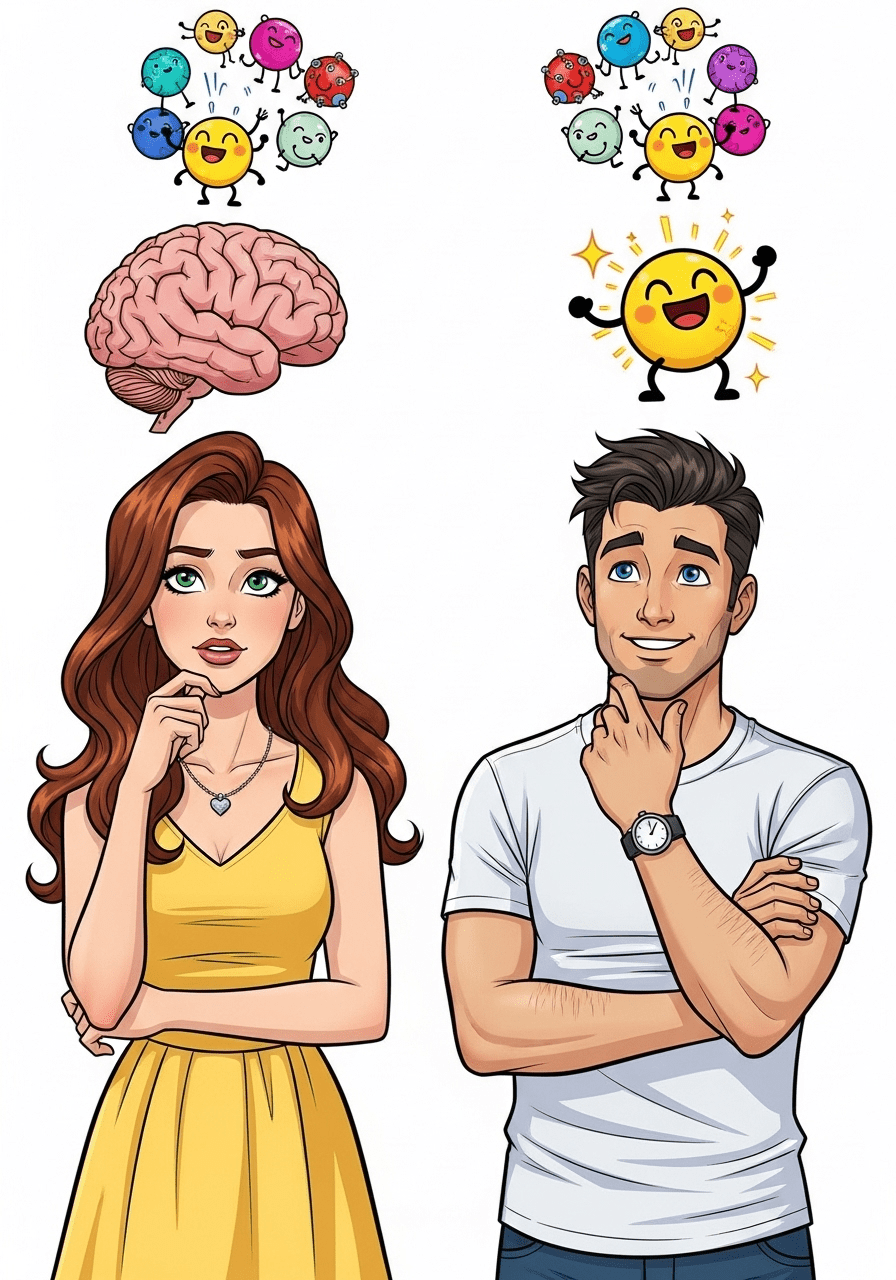
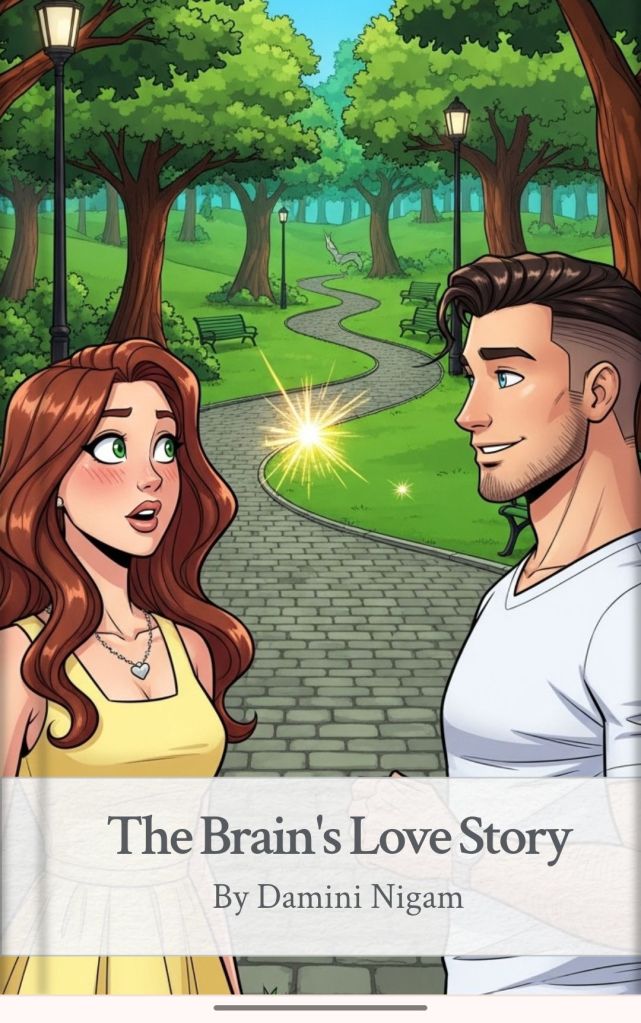
Meet Elara and Rhys! One sunny afternoon, their eyes met across a bustling park. A little spark, a flutter in the stomach – what was happening inside their brains?

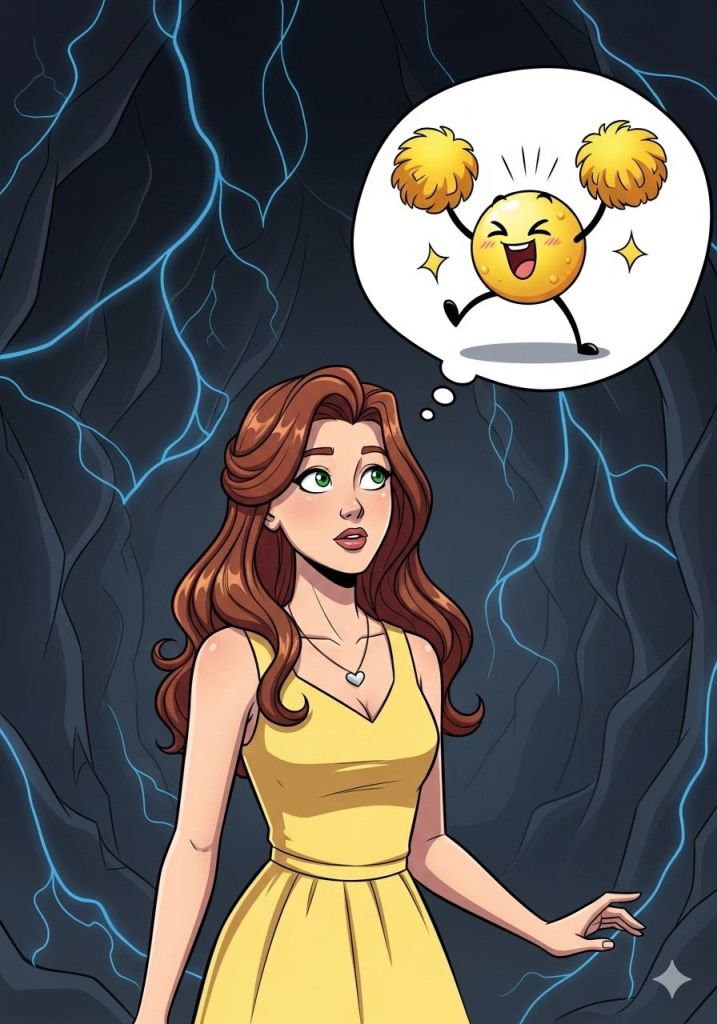
Deep inside, a tiny chemical called Dopamine shouted, “Woohoo! Something new and exciting!” Dopamine is our brain’s reward chemical, making us feel happy and motivated. It’s like a tiny cheerleader for new experiences!
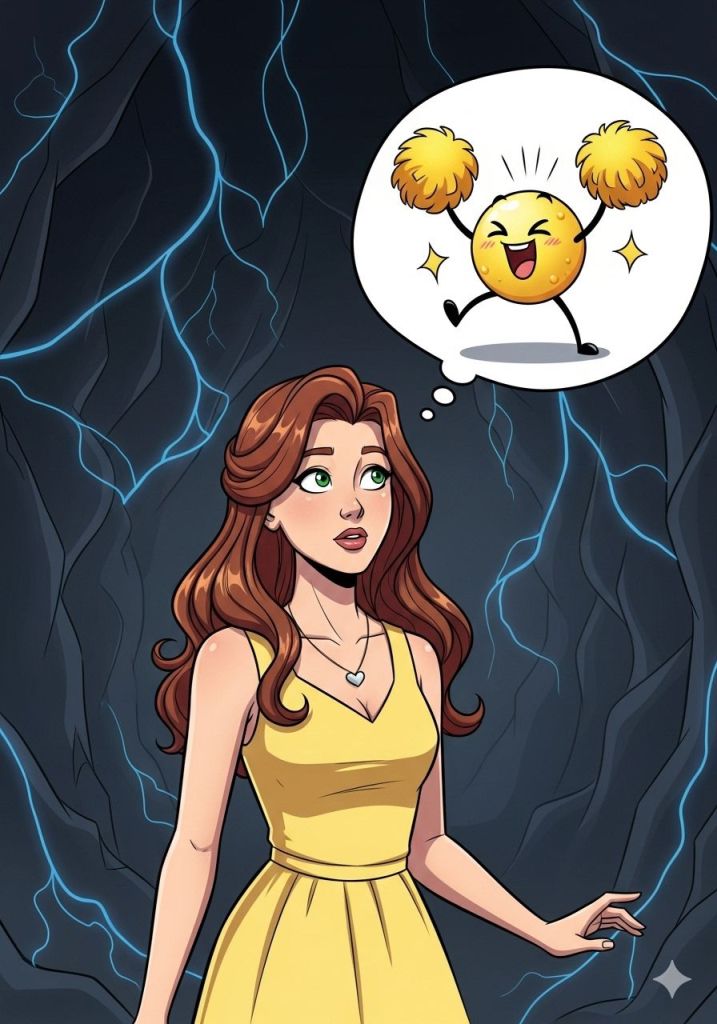
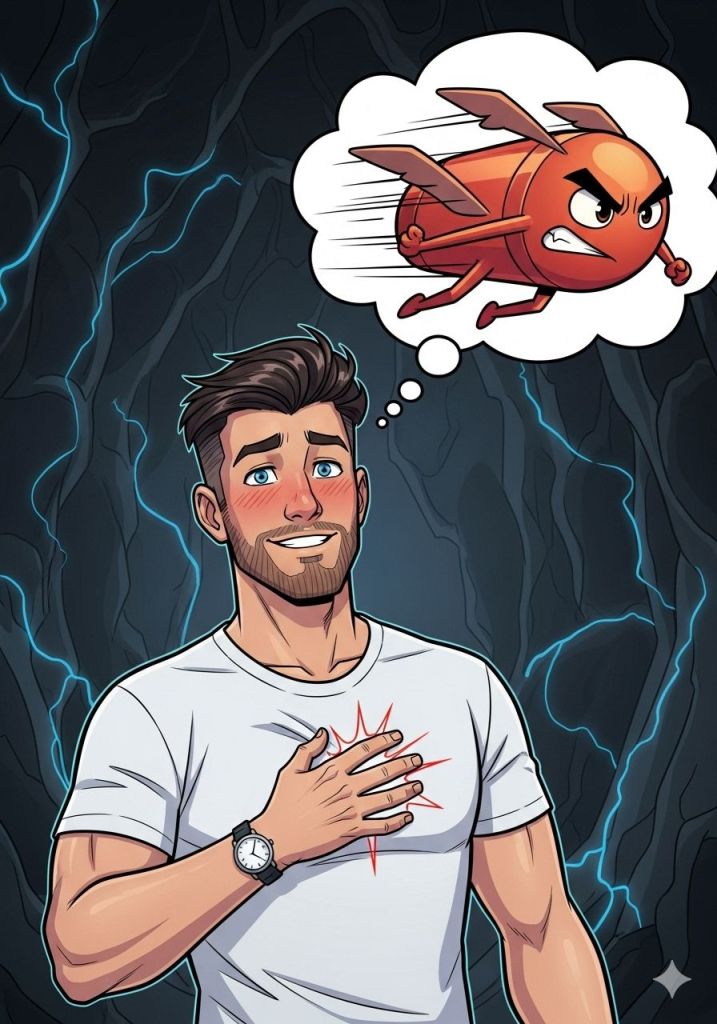
Another speedy chemical, Norepinephrine, chimed in, making their hearts beat a little faster and their cheeks blush. These two work together to create that thrilling feeling of initial attraction, often lasting a few months to a couple of years!
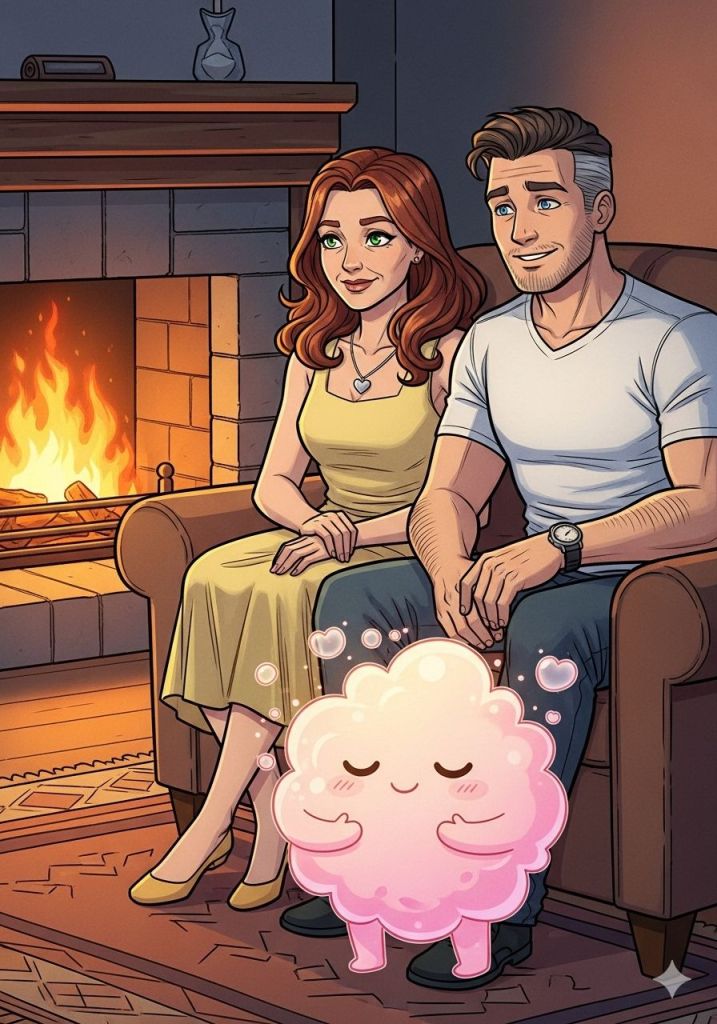
As Elara and Rhys spent more time together, sharing laughs and stories, different chemicals began to emerge. Oxytocin, the “cuddle hormone,” started to weave its magic.

Oxytocin helps us feel connected and trusting. It’s released when we hug, hold hands, or share intimate moments. And for Rhys, another chemical, Vasopressin, helped him feel protective and bonded to Elara.

These “bonding” chemicals can help feelings of love last for many years, even a lifetime! The initial intense “spark” might cool down, but a deeper, warmer connection can grow in its place.
But life isn’t always easy. Sometimes, big stresses come along, like a tricky problem at work or a misunderstanding. When things get tough, a different chemical, Cortisol, steps onto the scene.
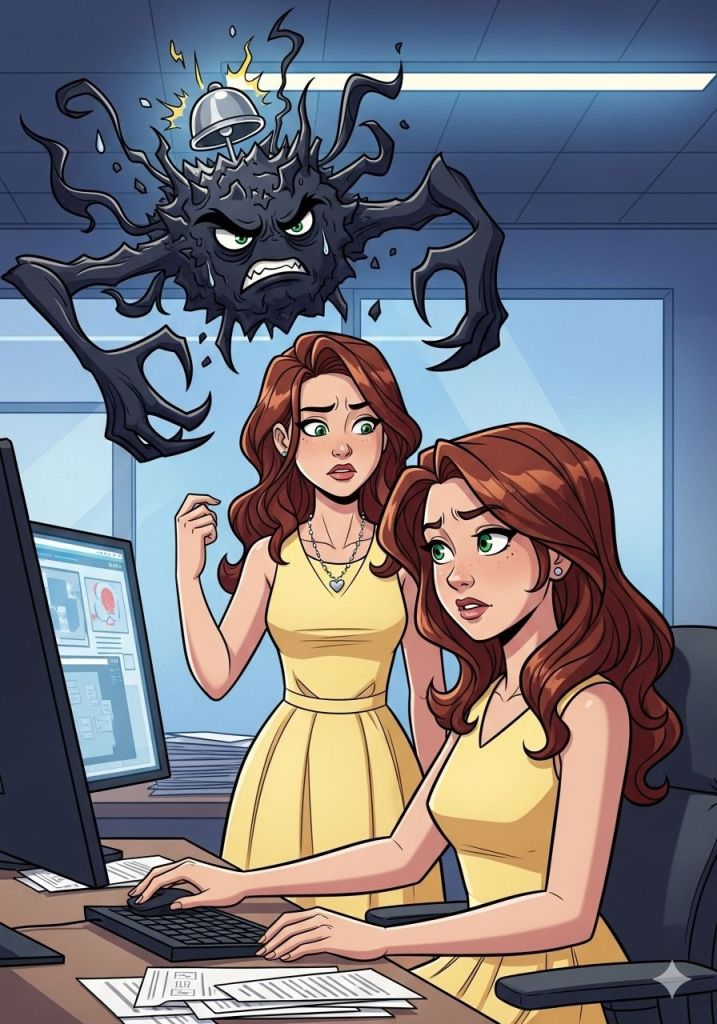
Cortisol is our “stress hormone.” It’s helpful in short bursts to deal with danger, but too much for too long can make us feel irritable, anxious, and even threatened by the people we love.
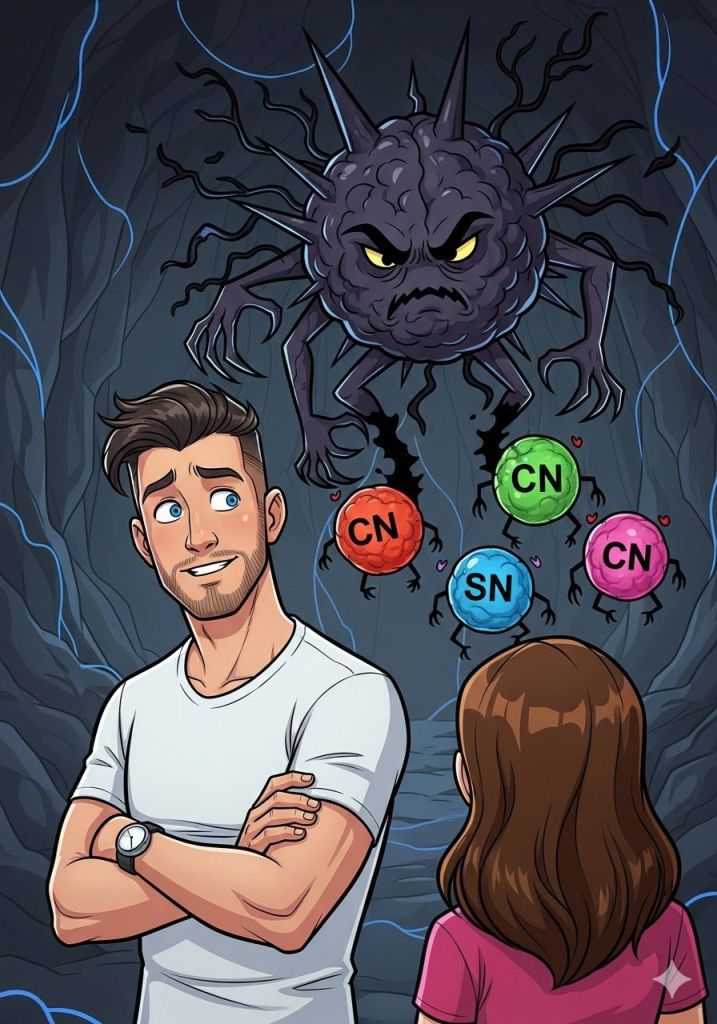
If stress continues and the bonding chemicals aren’t nurtured, the brain can start to see a loved one as a source of stress rather than comfort. This can lead to feelings of distance, anger, and even a desire to separate.
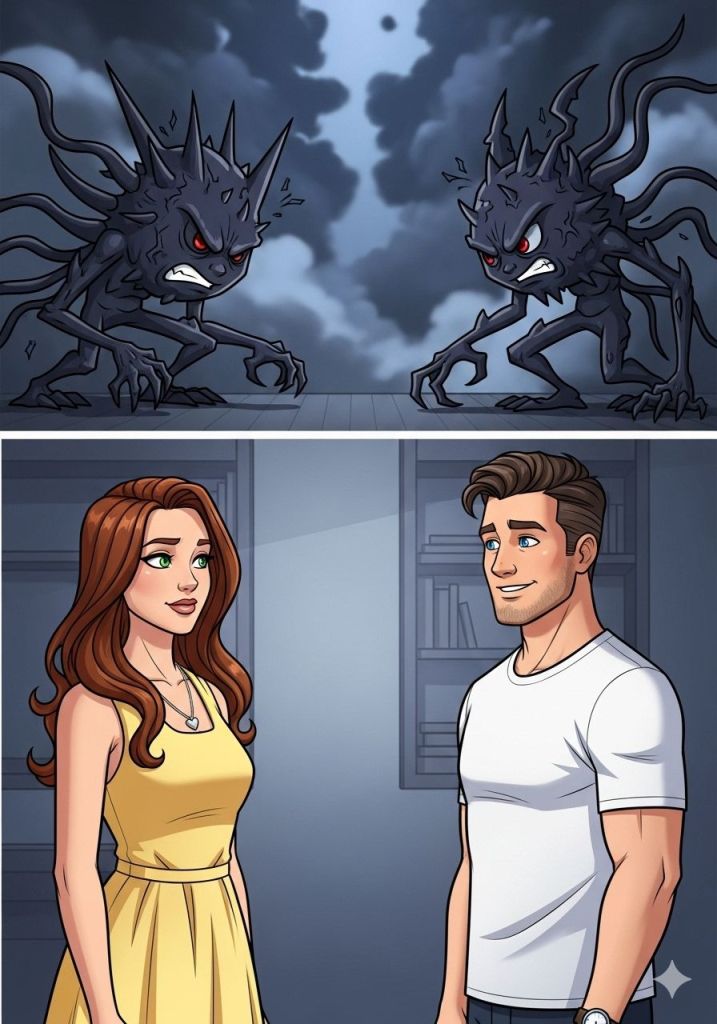
Our brains are incredible chemical factories! Understanding how these chemicals work can help us nurture our connections, manage stress, and remember that even when feelings change, we can always learn and grow.

Quick Q&A on Teenage Brain Chemistry.
- Why does the intense spark cool down?
- How long does the Dopamine rush of new love last?
- How can teenagers manage the Cortisol (stress) in their relationship?
Is your teenager struggling with relationship stress? Learn more about our parenting counseling services to foster better family communication.
Few more related topics link:👇
Sources:
https://alphaaura.in/2025/03/29/teenagers-mind-maze/
Source: Wikipedia https://share.google/OCKmYt9lyFWWYYYZL
Source: Harvard Health https://share.google/smtaMopyRIcYk4gXd




 NurtureNest
Leave a comment